
Build an iPhone Specification Comparison Readers Can Verify
Use a sourced iPhone 16 example to structure model variants, normalize specs, preserve caveats and publish a filterable comparison table.

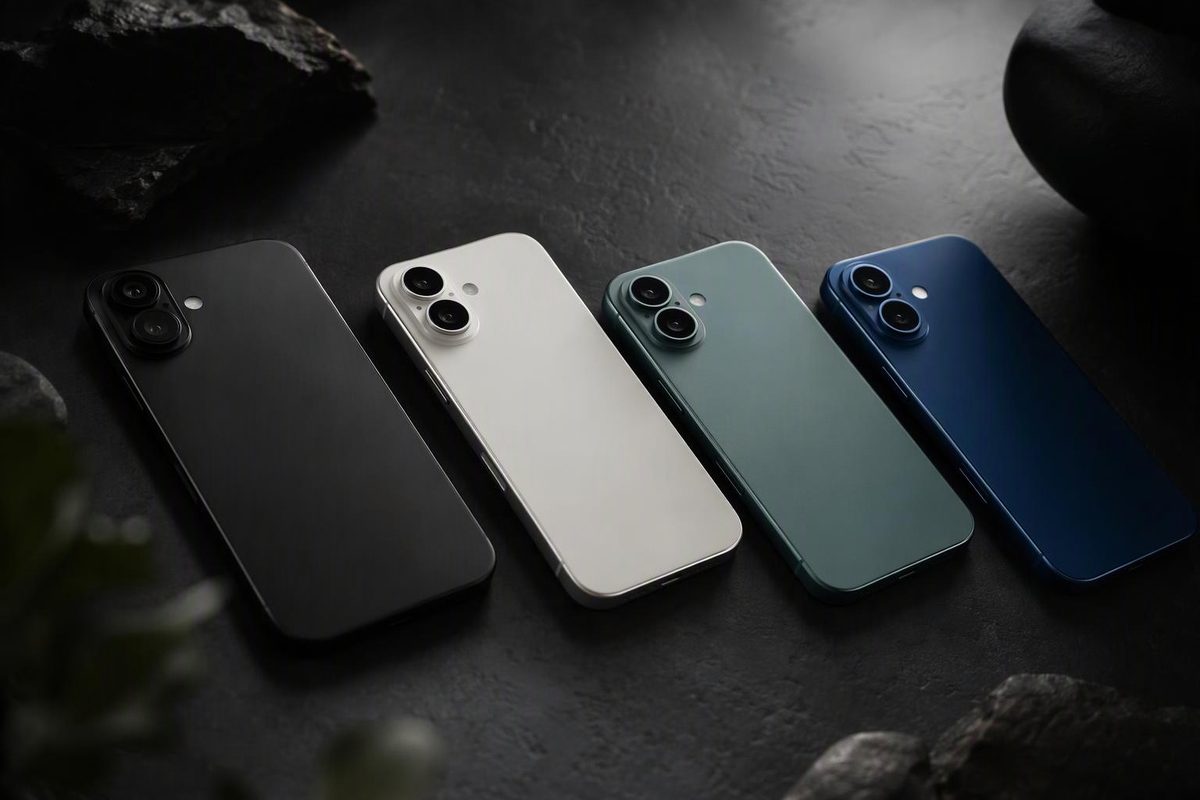
An iPhone specification comparison works best when each row identifies a model and each numeric column measures the same thing. Start with a small, sourced spreadsheet, then publish it so readers can filter the specifications and check the original records.
The example below compares four iPhone 16 models. It is a bounded dataset for demonstrating the workflow—not a list of the newest iPhones or a buying recommendation.
Start with a comparable set of specifications
Scope: four models introduced in 2024, using Apple’s U.S. technical-specification pages. Source check date: October 27, 2026. Screen sizes use Apple’s headline diagonal figures; battery columns retain its “up to” qualification.
| Model and source | Display diagonal (inches) | Weight (g) | Chip | Video playback, up to (hours) | Streamed video playback, up to (hours) |
|---|---|---|---|---|---|
| iPhone 16 | 6.1 | 170 | A18 | 22 | 18 |
| iPhone 16 Plus | 6.7 | 199 | A18 | 27 | 24 |
| iPhone 16 Pro | 6.3 | 199 | A18 Pro | 27 | 22 |
| iPhone 16 Pro Max | 6.9 | 227 | A18 Pro | 33 | 29 |
This small table already shows why definitions matter. The Plus and Pro both weigh 199 g and have the same stated video-playback maximum, but their streamed-playback figures differ. A single column called battery_hours would hide that distinction.
These are manufacturer claims, not measured results from a shared independent test. Apple says battery results vary with network configuration, use, settings and other factors. Keep that qualification beside the published table, rather than presenting the figures as guaranteed runtime. Apple’s battery notes
Decide what one row represents
For the core table above, one row represents one named model. That is enough for comparing display size, weight and chip.
If you add prices, change the row definition to model × storage capacity × market × condition, with separate rows for different seller offers. Do not attach a 128GB price to a row that also represents higher capacities. Apple lists 128GB, 256GB and 512GB for the iPhone 16, while the iPhone 16 Pro Max starts at 256GB and also lists 512GB and 1TB.
Keep price evidence separate from hardware evidence. Add fields for currency, seller, offer source, price-check date, new or refurbished condition, and any contract or trade-in requirement. A technical-specification page is not evidence of today’s selling price or availability.
For a broader dataset, the same product comparison structure helps keep variants and requirements explicit.
Store numbers separately from qualifications
Use a single header row, no merged cells, and no decorative title rows inside the data range. A useful starting schema is:
model,market,display_diagonal_in,weight_g,chip,video_playback_max_h,streamed_video_playback_max_h,spec_source_url,checked_on,spec_notes
Enter 170 in weight_g, not 170 grams. Enter 22 in video_playback_max_h, with “Apple-rated maximum; actual results vary” in the notes. This keeps numeric fields usable without losing their meaning.
Use consistent dates such as 2026-10-27. Leave an unavailable numeric value blank and explain it in a status or notes field; zero means a known value of zero, not “not found.”
When expanding the table, preserve these distinctions:
- Screen-size conventions: Apple labels the iPhone 16 display as 6.1 inches but gives 6.12 inches when measured as a standard rectangle, with actual viewable area smaller. Choose one convention for every row. Display specification
- Connector versus transfer speed: USB-C alone does not identify the data rate. Apple lists USB 2 up to 480Mb/s for the iPhone 16, versus USB 3 up to 10Gb/s for the iPhone 16 Pro, requiring a compatible 10Gb/s USB 3 cable. For a numeric column in Mb/s (megabits per second, not megabytes), record those maxima as
480and10000. - Camera fields: separate main-camera resolution, ultra-wide resolution and telephoto details. The iPhone 16’s main camera enables a 2x telephoto option; the Pro separately lists a 12MP 5x telephoto camera. A single
camera_mporzoomcolumn obscures that difference. iPhone 16 camera specs; Pro camera specs - Regional features: retain the market and exact model identifier when comparing SIM or cellular support. Do not generalize U.S. specifications to every regional version.
Publish and test the reader’s view
Export the clean data range as CSV, or retain XLSX if that better fits your working file. See CSV versus XLSX for the format trade-offs.
TablePage accepts CSV, TSV, XLSX and XLS uploads and generates a public dataset page with a shareable link and a filterable table. Upload only the public specification dataset—not device serial numbers, IMEIs, account details or private purchase records.
Before sharing the page:
- Check that all four example rows arrived and numeric columns remain numeric.
- Confirm that units and “up to” labels are visible to readers.
- Test filtering by chip: this example should separate into two A18 rows and two A18 Pro rows.
- Check that readers can retrieve each row’s source and check date.
- Keep the scope note with the table: four iPhone 16 models, U.S. sources, manufacturer-rated specifications.
If you add a chart, compare one defined measure at a time—weight or streamed-playback maximum, for example. Keep the exact-value table available, and do not label a chart “best iPhone” unless you also publish the criteria and scoring rules.